
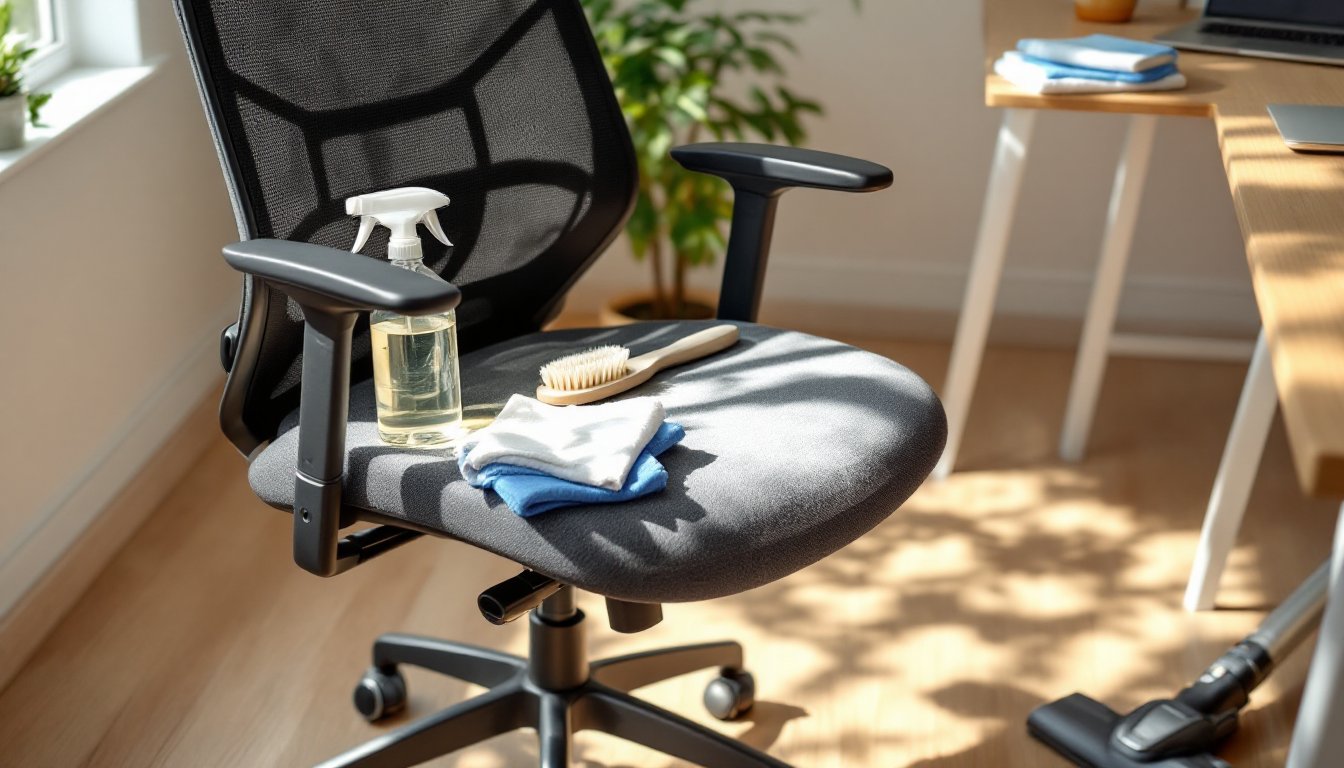
An office chair takes a beating. Coffee spills, lunch crumbs, body oils, dust, and pet hair all accumulate faster than most people realize. Left unchecked, that buildup doesn’t just look bad, it can wear down upholstery, clog mechanisms, and make the whole workstation feel grimy. Whether it’s fabric, leather, or mesh, every chair material has quirks that respond best to specific cleaning methods. This guide walks through exactly how to clean each type, covering everything from quick spot treatments to deep-cleaning sessions that’ll bring back that showroom look.
Table of Contents
ToggleKey Takeaways
- How to clean office chair depends on material type—fabric, leather, and mesh each require specific methods and solutions to prevent damage and extend chair lifespan.
- Start with vacuuming and spot treatment for fabric chairs, then deep clean every 12-18 months using upholstery shampoo, gentle scrubbing, and complete air-drying to eliminate embedded grime and odors.
- For leather or faux leather office chairs, use only mild soap and water, test cleaners in hidden spots first, and apply conditioner to genuine leather to prevent cracking while avoiding harsh solvents and bleach.
- Mesh chair cleaning requires compressed air to remove trapped dust, a vinegar-soap solution to cut through body oils, and attention to frame edges with isopropyl alcohol for stubborn grime.
- Don’t overlook wheels, bases, and armrests—wipe with isopropyl alcohol, remove hair and debris from axles monthly, and disinfect high-touch areas for a fully sanitized workspace.
- Set a cleaning reminder every three months for quick maintenance to keep your office chair in showroom condition and prevent allergen buildup without major effort.
What You’ll Need to Clean Your Office Chair
Before starting, gather the right tools and cleaners for the job. Having everything on hand prevents interruptions mid-process.
Basic supplies:
- Vacuum with upholstery attachment (or handheld shop vac)
- Microfiber cloths (at least 3-4 clean ones)
- Soft-bristle brush (old toothbrush works for tight spots)
- Spray bottle for mixing solutions
- Dish soap (unscented, mild formula)
- White vinegar (for deodorizing and light stains)
- Isopropyl alcohol (70% or higher, for disinfecting)
- Baking soda (for odor absorption on fabric)
Optional but helpful:
- Upholstery shampoo or foam cleaner (for fabric chairs)
- Leather conditioner (for genuine leather)
- Compressed air canister (for mesh and vents)
- Plastic scraper or old credit card (for removing debris from wheels)
Safety note: Work in a ventilated space if using alcohol or commercial cleaners. Wear nitrile gloves if skin sensitivity is a concern, and eye protection if spraying overhead or near the face.
Check the chair’s care tag or manufacturer’s website before applying any cleaner. Some fabrics are labeled “dry clean only” or have waterproof coatings that react poorly to solvents.
How to Clean a Fabric Office Chair
Fabric upholstery is forgiving and comfortable, but it’s also a magnet for stains and odors. Two-stage cleaning, vacuuming first, then treating, keeps the fibers from getting saturated with loose dirt.
Vacuuming and Spot Treatment
- Remove loose debris. Use the upholstery attachment and go over the seat, backrest, and any fabric armrest pads. Work in overlapping passes to pull out crumbs, hair, and dust from seams.
- Treat fresh stains immediately. Blot (don’t rub) with a damp microfiber cloth. Rubbing pushes the stain deeper into the weave.
- Mix a spot-cleaning solution. Combine 1 tablespoon of dish soap with 2 cups of warm water in a spray bottle. For tougher stains (ink, grease), add 1 tablespoon of white vinegar.
- Apply and blot. Spray the stained area lightly, don’t soak it. Let it sit for 2-3 minutes, then blot with a clean cloth. Repeat until the stain lifts.
- Rinse residue. Dampen a fresh cloth with plain water and blot the treated area to remove soap. Leftover soap attracts dirt.
Deep Cleaning Fabric Upholstery
For chairs that haven’t been cleaned in months (or ever), a full shampoo brings fibers back to life. According to cleaning professionals at Good Housekeeping, upholstery should be deep-cleaned every 12-18 months to prevent embedded grime from breaking down fabric.
- Vacuum thoroughly (repeat the first step above).
- Apply upholstery shampoo. Use a foam cleaner or mix a small amount of upholstery shampoo with water per the product instructions. Work in sections, applying foam with a soft-bristle brush in circular motions.
- Scrub gently. Focus on high-contact areas: seat center, armrest tops, lumbar support. Don’t oversaturate, moisture trapped in foam cushions can lead to mold.
- Extract foam and residue. Blot with dry microfiber cloths, pressing firmly to pull moisture out. For stubborn buildup, a wet/dry shop vac on low suction works well.
- Deodorize. Sprinkle baking soda lightly over damp fabric, let it sit for 15 minutes, then vacuum it up. This neutralizes odors from sweat or spills.
- Air-dry completely. Position the chair near a fan or open window. Avoid sitting on it until fully dry, typically 4-6 hours depending on humidity.
How to Clean a Leather or Faux Leather Office Chair
Leather and faux leather (polyurethane or PVC) look sharp and wipe down easily, but they crack or peel if cleaned with harsh solvents or left too dry.
- Dust and vacuum. Wipe the surface with a dry microfiber cloth to remove dust. Vacuum crevices and seams with the brush attachment.
- Test in a hidden spot. Before applying any cleaner, test on the underside of the seat to ensure no discoloration or damage.
- Wipe with mild soap solution. Mix a few drops of dish soap in warm water. Dampen a cloth (wring it nearly dry) and wipe the entire surface. For genuine leather, avoid soaking, excess water stiffens and warps the hide.
- Remove soap residue. Wipe again with a cloth dampened in plain water, then immediately dry with a fresh towel.
- Disinfect if needed. Dampen a cloth with 70% isopropyl alcohol and wipe high-touch zones (armrests, headrest). Let air-dry: don’t rinse.
- Condition genuine leather. Apply a leather conditioner with a soft cloth, working it in with small circular motions. This replaces oils and prevents cracking. Skip this step for faux leather, it doesn’t absorb conditioner and will stay greasy.
- Buff to a shine. Use a dry microfiber cloth to polish the surface.
Important: Never use bleach, ammonia-based cleaners, or abrasive scrubbers on leather or faux leather. They strip protective coatings and cause irreversible damage.
How to Clean a Mesh Office Chair
Mesh backrests are breathable and modern, but their open weave traps dust and body oils in a way that’s harder to see, and harder to clean, than solid upholstery.
- Blow out embedded dust. Use compressed air to blast particles out of the mesh from both sides. Do this outdoors or over a drop cloth: the dust cloud is real.
- Vacuum both sides. Run the upholstery attachment over the mesh gently to avoid snagging threads.
- Prepare a cleaning solution. Mix 1 tablespoon of dish soap and 1 tablespoon of white vinegar in 2 cups of warm water. The vinegar cuts through oils without leaving residue.
- Scrub the mesh. Dip a soft-bristle brush (or toothbrush) into the solution and scrub in small circles, working from top to bottom. Expect some discoloration to lift immediately.
- Rinse. Dampen a clean cloth with plain water and wipe the mesh to remove soap. You can also spray lightly with a spray bottle and blot.
- Air-dry completely. Mesh dries faster than fabric, usually 1-2 hours. Point a fan at it to speed the process.
For stubborn grime along the frame edges where mesh attaches, use a cotton swab dipped in isopropyl alcohol to clean those tight corners. Mesh chairs from ergonomic brands often have removable backs: check the manual to see if yours detaches for easier cleaning.
Cleaning the Base, Wheels, and Armrests
The chair’s frame, casters, and armrests collect grime that most people overlook. These parts are usually plastic, metal, or rubberized, all of which tolerate stronger cleaning than upholstery.
- Flip the chair or lay it on its side. This gives clear access to the wheelbase and undercarriage. Protect the floor with cardboard or an old towel.
- Remove debris from wheels. Hair, string, and carpet fibers wind around the axles. Use a plastic scraper or old credit card to pry them off, then pull free with fingers or tweezers. For persistent tangles, carefully cut with scissors (avoid nicking the wheel itself).
- Wipe down the wheels. Dampen a cloth with isopropyl alcohol and wipe each wheel and axle. For caked-on gunk, spray alcohol directly, let it sit 30 seconds, then scrub with a brush.
- Clean the base and stem. Most bases are powder-coated steel or molded plastic. Wipe with the same alcohol-dampened cloth. For scuffs or sticky spots, a bit of dish soap solution works well. Dry thoroughly to prevent rust on metal components.
- Disinfect armrests. These get the most hand contact. Spray or wipe with 70% isopropyl alcohol, let sit for 60 seconds (the CDC-recommended contact time for disinfection), then wipe dry. If armrests are padded fabric, treat them like upholstery (see fabric section above).
- Lubricate moving parts (optional). If wheels squeak or the height adjustment sticks, a drop of silicone spray on the stem and axles keeps things rolling smoothly. Wipe off excess to avoid attracting dust.
Experts at The Spruce recommend cleaning chair wheels every month in high-traffic home offices to prevent buildup that can scratch hardwood or damage carpet pile. It’s a two-minute task that extends the life of both the chair and the flooring.
Final step: Reassemble any removed parts, flip the chair upright, and do a once-over with a dry microfiber cloth. For those looking to keep the entire workspace tidy, strategies from Real Simple on routine desk organization pair well with a freshly cleaned chair, clearing clutter makes it easier to maintain that just-cleaned feel.
A clean office chair isn’t just about appearance. It removes allergens, extends the product’s lifespan, and makes the workspace more pleasant. Set a recurring reminder every three months for a quick clean, and the job stays manageable instead of turning into an all-day project.