
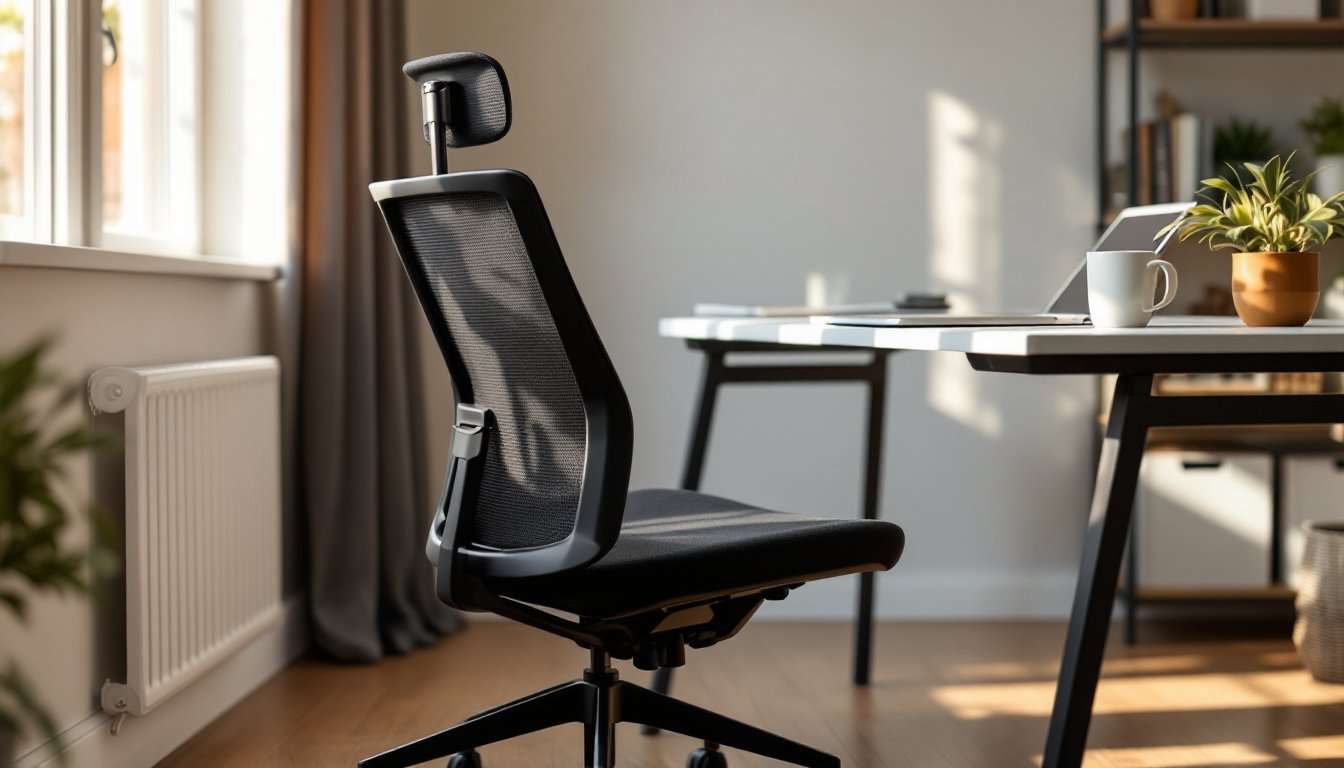
The IKEA Markus has been anchoring home offices and spare bedrooms since its launch, building a reputation as one of the most practical office chairs under $300. Unlike flimsier budget options that sag after six months, the Markus delivers a no-nonsense mix of lumbar support, adjustability, and durability that appeals to remote workers, freelancers, and anyone who’s tired of kitchen chairs wrecking their back. It’s not fancy. It doesn’t have massage rollers or twelve-way adjustments. But it gets the job done for eight-hour workdays without emptying your wallet. This review breaks down what works, what doesn’t, and whether the Markus deserves a spot in your workspace.
Table of Contents
ToggleKey Takeaways
- The IKEA Markus office chair offers reliable lumbar support and durability at under $300, making it an excellent value for remote workers and home office setups requiring long-term comfort without premium pricing.
- Key features include a 10-year limited warranty, mesh backrest that breathes well in warm climates, and adjustable seat height via pneumatic lift, though armrests and headrest are fixed and not adjustable.
- Assembly takes 15–25 minutes with basic tools, and upgrading stock plastic casters to polyurethane wheels protects hardwood floors while extending durability—a popular aftermarket modification among DIY enthusiasts.
- Over a 5-year lifespan at $240, the Markus costs approximately $0.13 per day, outperforming cheaper alternatives that require replacement within 18–24 months and justifying its mid-range budget position.
- The fixed armrest height at 26⅜” and shallow seat depth work best for users 5’6″–6’0″ and under 20″ hip width; taller or wider individuals may experience discomfort requiring test-fitting before purchase.
- Compared to competitors like the Staples Hyken, Amazon Basics, and Hon Ignition 2.0, the Markus balances durability and affordability for standard 6–8 hour workdays, offering 80% of premium chair functionality at half the cost.
What Makes the IKEA Markus a Popular Choice for Home Offices?
The Markus owes its popularity to three things: price, availability, and a 10-year limited warranty that’s rare in this price bracket. At around $229–$259 depending on upholstery choice, it undercuts most ergonomic chairs while offering features you’d expect on models twice the price.
IKEA’s global footprint means you can test-sit one before buying, something impossible with direct-to-consumer brands. That hands-on experience matters when you’re deciding between mesh and fabric upholstery or confirming the seat depth works for your frame.
The chair’s minimalist Scandinavian design fits into modern and traditional home office setups without clashing. It’s not trying to look like a racing seat or executive throne. The silhouette is clean, the color options are neutral (black, gray, or Vissle dark gray fabric), and it doesn’t scream “budget furniture.”
Another draw? Availability of aftermarket mods. DIY enthusiasts swap out the stock hard-plastic casters for rollerblade-style wheels to protect hardwood floors, and third-party headrest attachments show up in online forums regularly. The Markus has become a platform for customization, much like how modular shelving invites tinkering.
Key Features and Specifications You Should Know
Here’s what you’re working with out of the box:
Dimensions and Weight Capacity
- Seat height: 17¾”–21¼” (adjustable via pneumatic lift)
- Seat width: 20⅞”
- Seat depth: 17¾”
- Backrest height: 24⅜”
- Maximum load: 243 lbs
The seat depth is shallower than some competitors, which benefits shorter users (under 5’8″) but may leave taller folks wanting more thigh support.
Materials
- Frame: steel and reinforced polyamide plastic
- Upholstery options: Glose black (robust fabric), Vissle dark gray (woven textile), or Bomstad black (faux leather that’s been phased in and out depending on market)
- Padding: high-resilience polyurethane foam rated at 35 kg/m³ density, firmer than cheap office chairs but not memory-foam soft
Adjustability
- Seat height (gas lift)
- Tilt tension (knob under seat adjusts resistance)
- Tilt lock (three positions: upright, slight recline, and full recline up to approximately 25°)
What’s not adjustable: armrests (fixed height and width), lumbar support (built into backrest curve), and headrest (integrated, not movable). If you need 4D armrests or sliding seat pan depth, the Markus isn’t your chair.
Warranty
- 10 years on structural defects and mechanisms
- Does not cover fabric wear, caster damage from improper flooring, or user modifications
Comfort and Ergonomics: Real-World Testing
Comfort is subjective, but the Markus leans toward firm support rather than plush cushioning. The high-density foam holds its shape well over months of use, there’s minimal bottoming-out even after full workdays. The backrest curve provides passive lumbar support around the L4-L5 region, which helps maintain a neutral spine if you sit upright.
The mesh backrest (Vissle or Glose depending on version) breathes better than faux leather, crucial for warm climates or poorly ventilated home offices. Expect less sweat buildup during summer months compared to padded leather alternatives.
Headrest integration is a mixed bag. The built-in headrest works well for users between 5’6″ and 6’0″. Shorter individuals may find it hits mid-shoulder instead of head: taller users (6’2″+) often report it aligns below the occipital bone, offering little neck relief. There’s no height adjustment, so test-sit if you’re outside the average range.
Armrests are fixed at 26⅜” from the floor at lowest seat height. They’re padded and wide enough for most forearms, but the lack of height or width adjustment frustrates users who want armrests flush with desk height. If you have a standing desk converter or adjustable-height workstation, you may need to raise the seat higher than comfortable to align armrests with your typing surface.
Recline function offers decent range. The tilt tension knob lets you dial in resistance, helpful if you’re heavier or prefer a stiffer recline. Locking the backrest in the upright position works well for focused tasks: unlocking it for a mid-afternoon lean-back feels stable, though the chair won’t fully cradle you like a lounge recliner.
Pain points: Users with wider hips (over 20″) report the seat feels snug. The fixed armrests can dig into desks if clearance is tight. And if you prefer a softer, “sink-in” seat, the firm foam may feel too rigid initially (though it does break in slightly after a few weeks).
Assembly and Setup Tips for DIY Enthusiasts
Assembly takes 15–25 minutes with basic tools. IKEA includes an Allen key, but a ratcheting screwdriver or power drill with hex bit set speeds things up without stripping screws.
Step-by-Step Overview
- Attach the five-star base to the gas lift cylinder. Slide the cylinder into the center hole, no fasteners needed: it’s a friction fit.
- Install casters into the base. Push firmly until they click. If you’re swapping for aftermarket rollerblade wheels, do it now before adding weight.
- Mount the seat pan to the mechanism using four bolts (included). Tighten in a cross pattern to avoid misalignment. Don’t overtighten, polyamide threads can strip.
- Attach backrest to seat mechanism with two bolts. Align the backrest vertically: a crooked install affects lumbar support. Check that the lumbar curve sits at lower-back height before final tightening.
- Snap seat assembly onto gas lift. Sit down to compress the cylinder fully, it should feel secure with no wobble.
Pro Tips
- Lay out all parts before starting. IKEA instructions use minimal text: confirm you have all bolts and washers.
- Check caster type for your flooring. Stock hard-plastic casters work on carpet but can scratch hardwood or laminate. Polyurethane wheels (sold separately) roll smoother and protect floors.
- Adjust tilt tension before your first full day. Turn the knob clockwise for stiffer recline, counterclockwise for easier tilt. Test reclining force with your body weight.
- Inspect gas lift function after assembly. Sit and adjust seat height through full range. If it sinks slowly under load, the cylinder may be defective, IKEA will replace under warranty.
Safety Notes
- Do not use power tools on high torque for plastic inserts. Hand-tighten final turns.
- Keep fingers clear when snapping seat onto gas lift, pinch risk.
- If you’re modifying casters or adding a headrest attachment, confirm maximum load ratings stay within the chair’s 243 lb capacity.
Many home office setups benefit from a furniture layout refresh once the chair arrives, ensuring monitor height, desk depth, and lighting align with your new seating position.
Durability and Long-Term Value Assessment
The Markus holds up better than most sub-$300 chairs, but it’s not indestructible. Here’s what to expect over 3–5 years of daily use.
What Lasts
- Frame and base: The steel frame and reinforced polyamide show minimal wear. No cracking or flexing reported in typical use cases.
- Gas lift: The cylinder maintains height adjustment reliably. Few users report sinking issues within the 10-year warranty window.
- Tilt mechanism: The tension knob and tilt lock stay functional. Some users note a slight loosening of tension after 2+ years, easily remedied by tightening the knob further.
- Mesh backrest (Vissle/Glose): Resists sagging better than padded alternatives. Mesh weave stays taut: no stretching or fraying in typical conditions.
What Wears
- Upholstery on seat pan: Fabric versions (Glose, Vissle) show pilling and fading after 2–3 years of heavy use, especially in high-friction areas (center and front edge). Faux leather versions can crack or peel if exposed to dry heat or direct sunlight.
- Armrest padding: The foam compresses over time. After 3–4 years, expect visible divots. Some users add aftermarket armrest covers.
- Casters: Stock plastic wheels degrade on rough carpet or unsealed concrete floors. Expect replacement around year 2–3 if you roll frequently. Upgrading to polyurethane wheels extends lifespan.
Value Calculation
At roughly $240, the Markus costs about $0.13 per day over a 5-year lifespan (assuming 260 workdays/year). Compare that to a $600 ergonomic chair at $0.46/day or a $100 big-box chair that needs replacing in 18 months ($0.20/day).
The 10-year warranty adds peace of mind, though upholstery and wear items aren’t covered. If you’re willing to refresh casters and maybe add an armrest cover, the Markus can stretch beyond five years without major expense.
How the Markus Compares to Other Budget Office Chairs
IKEA Markus vs. Staples Hyken ($150–$180)
The Hyken offers more adjustability (headrest height, armrest height) and a lower price. But build quality is a notch below, plastic components feel flimsier, and the mesh sags faster. The Markus wins on durability and warranty length.
IKEA Markus vs. Amazon Basics High-Back Executive Chair ($130–$150)
The Amazon Basics padded chair is softer initially but lacks lumbar support and breathability. Foam compresses within a year. The Markus’s mesh and firmer foam hold up better long-term, justifying the extra $100.
IKEA Markus vs. Hon Ignition 2.0 ($400–$500)
The Ignition 2.0 is a step up in adjustability: 4D armrests, adjustable lumbar, seat depth slider. It’s worth the premium if you need precise ergonomic tuning or spend 10+ hours seated daily. But for most home office users working 6–8 hours, the Markus covers 80% of the Ignition’s functionality at half the cost.
IKEA Markus vs. Secretlab Titan Evo ($500+)
Gaming chairs like the Titan Evo offer plush padding, adjustable lumbar pillows, and premium upholstery. They’re built for marathon gaming sessions and aesthetic appeal. The Markus can’t match that level of comfort or style, but it’s half the price and better suited to professional-looking home offices where a racing-style chair would clash with modern design aesthetics.
Bottom Line
The Markus sits in a sweet spot: more durable than ultra-budget options, more affordable than mid-range ergonomic chairs, and readily available for test-sitting. It’s ideal for remote workers who need reliable support without investing in a $600+ task chair.
Conclusion
The IKEA Markus isn’t perfect, fixed armrests and limited headrest adjustability will frustrate some users, but it delivers solid ergonomic support and longevity at a price point most home office budgets can absorb. If you’re setting up a dedicated workspace and want a chair that’ll last through years of video calls, spreadsheets, and late-night projects without nickel-and-diming you on replacements, the Markus is worth the trip to IKEA. Just bring your Allen key.