
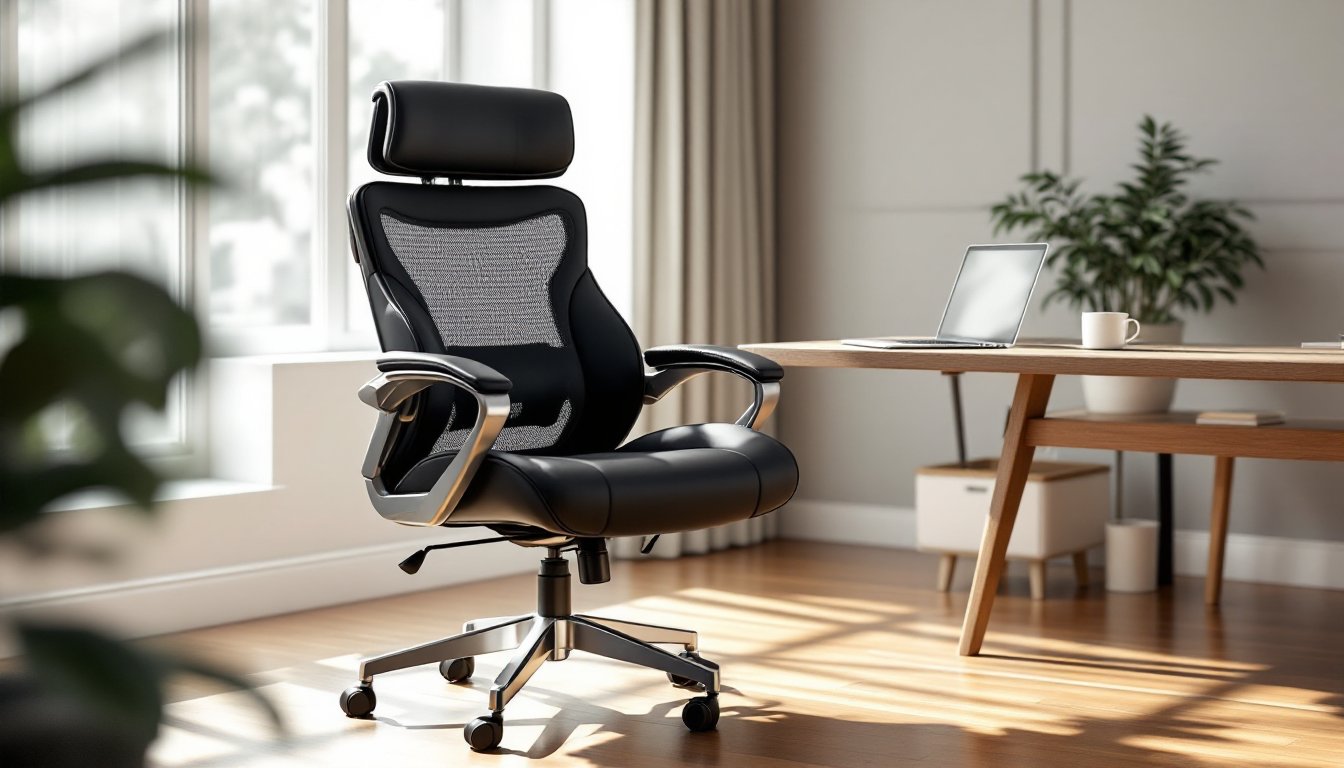
Standard office chairs aren’t built for everyone. If you’ve ever sat in a chair that felt too narrow, creaked under normal use, or left you sore after a few hours of work, you’re not alone. Bariatric office chairs solve these problems with reinforced construction, higher weight capacities, and ergonomic features scaled for larger bodies. Whether you’re setting up a home office or upgrading worn-out seating, understanding what makes these chairs different, and how to choose the right one, can make the difference between daily discomfort and long-term support. This guide walks through the engineering, features, and practical considerations that matter.
Table of Contents
ToggleKey Takeaways
- A bariatric office chair is engineered to support 400–1,000 pounds with reinforced frames, wider seats, and heavy-duty casters, making it essential for anyone regularly sitting over 4 hours daily or weighing over 250 pounds.
- Bariatric chairs feature steel frames, Class 4 gas cylinders, and wider seats (20–28 inches) with denser cushioning compared to standard office chairs, directly addressing comfort and durability concerns.
- Choose a bariatric office chair by measuring your body dimensions, verifying weight capacity and frame materials on the spec sheet, and confirming adjustability for lumbar support and seat tilt.
- Quality bariatric office chairs last 7–10 years and provide long-term health benefits including improved posture, reduced back pain, and safer structural integrity during daily use.
- Monthly maintenance like caster cleaning, annual lubrication of moving parts, and regular bolt tightening ensures your bariatric office chair remains safe and functional for years.
What Is a Bariatric Office Chair and Who Needs One?
A bariatric office chair is an office chair engineered to support higher weight capacities, typically 400 to 1,000 pounds, compared to the 200–250 pound rating of standard office chairs. The term “bariatric” comes from medical settings, where equipment is built for patients requiring extra structural support. In the furniture world, it signals reinforced frames, wider seats, and heavy-duty casters designed to distribute weight safely.
These chairs aren’t just for people over a certain weight. Anyone who’s felt cramped by narrow armrests, experienced seat compression over time, or noticed wobbling in a standard chair may benefit. They’re also useful in shared home offices or workshops where multiple users of varying sizes need reliable seating. If you weigh over 250 pounds, spend more than four hours a day seated, or have had a standard chair fail prematurely, a bariatric chair is worth considering.
Bariatric chairs are distinct from “big and tall” office chairs, though the terms overlap. Big and tall chairs focus on seat height and backrest length for taller users, while bariatric models prioritize load-bearing capacity and frame durability. Many models combine both features.
Key Features That Make Bariatric Chairs Different
Bariatric chairs differ from standard models in several structural and ergonomic ways. Understanding these features helps you evaluate whether a chair meets your needs or is just marketed with a higher price tag.
Reinforced Frame and Weight Capacity
The core difference is the frame. Bariatric chairs use steel or heavy-gauge metal frames instead of the molded plastic or thin tubular steel found in budget office chairs. Welds are reinforced, and joints often include gussets or additional bracing. The gas cylinder, the pneumatic lift that adjusts seat height, is rated to match the chair’s capacity. A standard Class 3 cylinder supports up to 250 pounds: bariatric models use Class 4 cylinders rated for 400+ pounds.
Casters are another critical component. Bariatric chairs ship with wider, reinforced casters (often 3 inches in diameter vs. the standard 2 inches) to prevent sinking into carpet or cracking under load. The five-star base is typically die-cast aluminum or reinforced nylon rather than stamped steel.
Weight capacity isn’t just a number, it’s a safety rating. Exceeding it can cause catastrophic failure: collapsed cylinders, cracked bases, or broken seat pans. Always choose a chair rated at least 100 pounds above your weight to account for dynamic loading (leaning, shifting, rocking).
Wider Seat and Enhanced Cushioning
Standard office chairs have seat widths between 17 and 20 inches. Bariatric models range from 20 to 28 inches, with some reaching 30 inches for extreme-capacity models. Seat depth also increases, typically 19 to 22 inches, to support the thighs without cutting off circulation behind the knees.
Cushioning is thicker and denser. Many bariatric chairs use high-density molded foam (1.8 to 2.5 pounds per cubic foot) rather than the softer, cheaper foam in consumer chairs. Some models layer memory foam over a firmer base to balance comfort and support. Upholstery is often commercial-grade vinyl, mesh, or bonded leather rated for heavy use.
Armrests are spaced wider, 22 to 26 inches apart, and reinforced to handle lateral pressure. Adjustable armrests are common, but verify the mechanism is metal, not plastic, which can strip or snap under stress.
How to Choose the Right Bariatric Office Chair for Your Home
Choosing a bariatric chair starts with honest measurement and a clear understanding of your workspace.
Step 1: Measure your body and workspace. Sit in a standard dining chair and measure from the back of your hips to the back of your knees (seat depth), and across your hips at the widest point (seat width). Add 2 inches to each measurement for clearance. Measure your desk height and ensure the chair’s height range allows your forearms to rest parallel to the floor when typing.
Step 2: Verify weight capacity and frame materials. Don’t rely on marketing claims. Check the manufacturer’s spec sheet for the actual tested weight capacity and frame construction. Look for steel frames, Class 4 gas cylinders, and reinforced bases. If the listing doesn’t specify these details, move on.
Step 3: Evaluate adjustability. Lumbar support, seat tilt, and armrest height should all be adjustable. Fixed-position chairs force your body to adapt to the chair, not the reverse. Tilt tension control is especially important, bariatric users need stronger springs to support recline without free-falling backward.
Step 4: Consider upholstery and breathability. Vinyl is durable but traps heat. Mesh backrests improve airflow, critical for all-day use. Fabric is comfortable but harder to clean. If you live in a warm climate or run hot, prioritize breathability.
Step 5: Check assembly requirements and warranty. Bariatric chairs are heavier, 50 to 80 pounds, and some require two people for assembly. Verify the warranty covers the frame (lifetime or 5+ years) and moving parts (1–3 years). A short warranty signals low confidence in durability.
Many contemporary furniture retailers now offer bariatric seating alongside standard office lines, making it easier to compare features in person. If buying online, confirm the return policy covers assembled chairs, some retailers charge restocking fees for chairs that have been fully assembled.
Top Benefits of Investing in a Bariatric Office Chair
The upfront cost of a bariatric chair, $300 to $800 for quality models, pays off in durability, health, and productivity.
Longevity and lower replacement costs. A reinforced chair used within its capacity can last 7 to 10 years, compared to 2–3 years for a standard chair used beyond its rating. Fewer replacements mean lower lifetime cost and less furniture waste.
Improved posture and reduced pain. Wider seats eliminate hip and thigh pressure. Proper lumbar support reduces lower back strain, a common complaint among remote workers. Adjustable features let users dial in the ergonomics instead of compensating with poor posture.
Safety and peace of mind. Chair failures cause real injuries, broken tailbones, sprained wrists from catching falls, and bruised egos. A properly rated chair eliminates that risk. It’s not just about comfort: it’s about structural integrity under real-world use.
Better focus and productivity. Discomfort is distracting. When you’re shifting position every ten minutes or standing to relieve pressure, you’re not focused on work. A chair that fits correctly fades into the background, letting you concentrate on the task at hand.
Inclusive design for shared spaces. If your home office doubles as a guest workspace, a bariatric chair accommodates a wider range of users without needing multiple chairs. This is especially useful for couples sharing a workspace or multi-generational households.
Many home design platforms now include ergonomic and accessibility features in their office planning tools, reflecting growing awareness that one-size-fits-all seating doesn’t work for everyone.
Installation and Maintenance Tips for Long-Lasting Performance
Bariatric chairs require more care during assembly and ongoing maintenance than lighter models.
Assembly best practices:
- Unbox on a protected surface. Use a drop cloth or cardboard to prevent scratching hardwood or tile. Bariatric chair bases are heavy and can dent flooring.
- Insert the gas cylinder dry. Don’t grease the cylinder, it can attract dust and cause premature wear. The fit should be snug but not forced.
- Tighten all bolts in stages. Hand-tighten first, then use the included Allen wrench or a ratchet to snug them down evenly. Overtightening can strip threads in cast aluminum.
- Check caster orientation. Some bariatric chairs use directional casters (front vs. rear). Verify they’re installed per the manual to ensure smooth rolling and even wear.
- Test adjustments before full use. Cycle the height adjustment, tilt lock, and armrests through their full range to ensure everything works before sitting down.
Ongoing maintenance:
- Inspect casters monthly. Remove hair, carpet fibers, and debris wrapped around the axles. Clogged casters cause uneven wear and make rolling harder, stressing the frame.
- Lubricate moving parts annually. Use silicone spray (not WD-40, which attracts dust) on tilt mechanisms and armrest slides. Wipe off excess.
- Check bolts every six months. Vibration and use can loosen hardware over time. A quick tightening session prevents wobbles and extends frame life.
- Clean upholstery per material type. Vinyl: damp cloth with mild soap. Mesh: vacuum and spot-clean. Fabric: vacuum regularly and treat stains immediately.
- Replace worn casters promptly. Flat-spotted or cracked casters put stress on the base. Replacement casters are inexpensive and widely available.
Safety note: Never use a bariatric chair on an unstable surface like a wheeled platform or thick rug pad. The added height and weight increase tip-over risk.
For those interested in deeper home office ergonomics and furniture guides, many resources now cover the full spectrum of adjustable and accessible seating beyond just aesthetics.
A well-maintained bariatric chair is a long-term investment in comfort and health. Treat it like shop equipment, inspect, tighten, and clean regularly, and it’ll outlast several cheaper alternatives.