
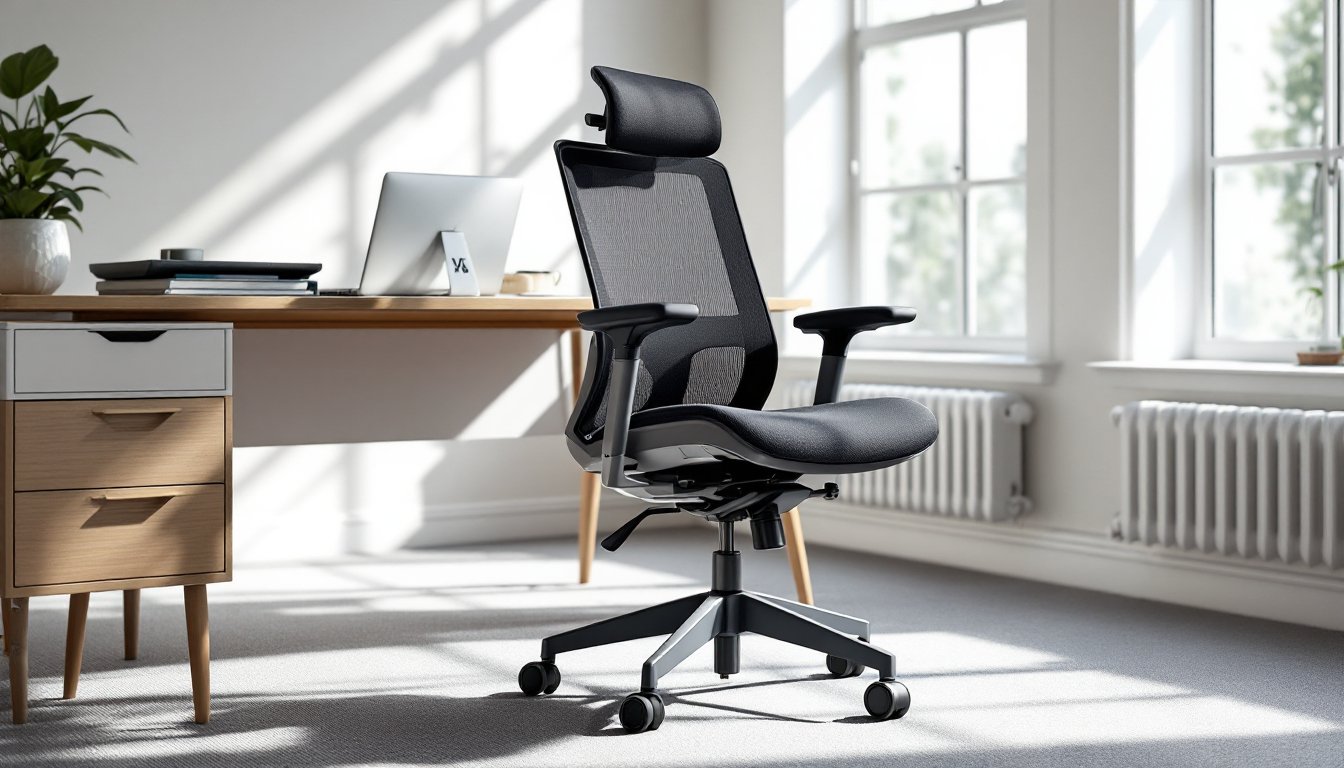
Finding an office chair that supports a heavier frame isn’t about settling for something “good enough”, it’s about finding furniture engineered to handle real-world use without collapsing six months in. Standard office chairs typically max out around 250 pounds, leaving many people sitting on equipment that’s literally working against them. A chair rated for higher weight capacity uses reinforced components, wider seats, and sturdier mechanisms that won’t sag or fail. If someone’s been dealing with armrest cracks, tilting bases that lock up, or cushions that bottom out by lunch, the problem isn’t them, it’s the chair. This guide cuts through the marketing fluff to identify what actually matters when shopping for a heavy-duty office chair.
Table of Contents
ToggleKey Takeaways
- An office chair for a heavy person must exceed standard 250-pound capacity limits, with reinforced frames, wider seats, and commercial-grade components to prevent structural failure and premature wear.
- Weight capacity is an engineering specification tied to structural integrity—exceeding rated limits accelerates damage to gas cylinders, welds, and casters, reducing chair lifespan from 5+ years to 12–18 months.
- Heavy-duty office chairs require all-metal construction (2 mm+ steel with welded joints), 22–24 inch seat widths, high-density foam (2.0 lbs/cu ft+), and commercial-grade casters rated for continuous use.
- Ergonomic adjustability—including height-adjustable lumbar support, synchro-tilt mechanisms, and 4D armrests—is essential on heavy-duty chairs to properly distribute weight and prevent strain injuries.
- Verify actual dimensions against capacity ratings, inspect assembly quality, test the chair through full workdays before purchase, and review warranty coverage to avoid replacing chairs prematurely.
Why Weight Capacity Matters in Office Chairs
Weight capacity isn’t just a suggestion printed on the box, it’s an engineering specification tied to structural integrity. Manufacturers test chairs using standardized protocols (often following BIFMA standards, which simulate years of use through repeated load cycles). A chair rated for 250 pounds won’t suddenly explode at 251, but exceeding the rated capacity accelerates wear on hydraulic cylinders, frame joints, and casters.
Here’s what happens when weight capacity is exceeded:
- Gas cylinders lose pressure faster, causing the seat to sink during the day and requiring constant readjustment.
- Frame welds and bolts experience stress beyond design limits, leading to cracks or catastrophic failure.
- Casters and wheelbase arms bend or break, creating a tipping hazard.
- Foam cushioning compresses permanently, bottoming out against the plywood seat pan.
A chair rated for 400 pounds or more typically includes a Class 4 gas cylinder (higher pressure rating), steel-reinforced frames instead of molded plastic, and commercial-grade casters rated for continuous use. These aren’t luxury features, they’re structural necessities. Skipping a proper weight rating means replacing chairs every 12–18 months instead of getting 5+ years of reliable service.
Essential Features to Look for in Heavy-Duty Office Chairs
Not all “heavy-duty” chairs are built the same. Marketing teams love slapping that label on anything with a padded seat. Here’s what genuinely separates a reinforced chair from standard models.
Reinforced Frame Construction
The frame is the skeleton. Standard chairs use molded plastic backrests and thin-gauge steel tubing (around 1.2 mm wall thickness). Heavy-duty models step up to 2 mm or thicker steel, welded at stress points instead of bolted. Look for chairs that specify all-steel frames or dual-layer steel construction in the seat pan.
Key construction details include:
- Welded joints at armrest attachment points (bolted connections loosen over time under heavy use).
- Reinforced tilt mechanisms with larger pivot points and steel mounting plates instead of plastic housings.
- Metal backrest frames wrapped in mesh or upholstery, rather than flexible plastic shells.
Some manufacturers now use aircraft-grade aluminum alloys for weight reduction without sacrificing strength, but steel remains the gold standard for pure load-bearing capacity. Avoid chairs with visible plastic components in load-bearing areas, arm supports, seat pans, and tilt mechanism housings should all be metal.
Enhanced Seat Width and Depth
A standard office chair seat measures 18–20 inches wide. That’s adequate for average builds but restrictive for broader frames. Heavy-duty chairs typically offer 22–24 inch widths, with some executive models reaching 26 inches.
Seat depth matters just as much. Proper ergonomic depth allows 2–3 inches of clearance between the seat edge and the back of the knees. Most chairs offer 18–20 inches of depth, but taller individuals (over 6 feet) benefit from 21+ inches. Many modern furniture guides emphasize that depth adjustment features can accommodate a wider range of body types.
Look for:
- Seat sliders that adjust depth by 2–3 inches.
- Waterfall-edge seat fronts that reduce pressure on the thighs.
- High-density foam rated at 2.0 lbs/cu ft or higher (standard foam is 1.8 lbs/cu ft and compresses too quickly).
Top Materials That Provide Superior Durability
Material choice directly impacts longevity. Here’s what holds up under continuous heavy use:
Mesh vs. Upholstery:
- Mesh backrests (like those on Herman Miller Aeron or Steelcase Leap models) offer superior breathability and don’t compress over time. Look for reinforced weave mesh rated for commercial use, cheap mesh sags within months.
- Bonded leather looks sharp but peels and cracks under friction. Real leather or commercial-grade vinyl holds up better, but costs more.
- Heavy-duty fabric (rated for 100,000+ double rubs in abrasion testing) resists pilling and wear. Brands often use crypton or similar stain-resistant textiles in institutional settings.
Cushioning:
High-density cold-cure foam retains shape longer than standard polyurethane. Some premium chairs use memory foam or gel-infused cushions, but these can trap heat. A better option for all-day comfort is multi-layer foam with a firm base (2.5+ lbs/cu ft density) and a softer top layer.
Armrests:
Fixed-height plastic armrests crack under side pressure. Adjustable arms should use steel mounting brackets with polyurethane padding (not hard plastic caps). 4D armrests (adjust height, width, depth, and angle) offer the most flexibility.
Casters:
Standard 2-inch nylon casters work on carpet but struggle on hard floors under heavy loads. Upgrade to 3-inch polyurethane rollerblade-style casters for smooth rolling and floor protection. Verify the caster stem fits the chair base, most use a 7/16-inch grip ring stem, but some require threaded stems.
Ergonomic Adjustments That Make a Real Difference
A chair with a 500-pound capacity still won’t work if the ergonomics are wrong. Adjustability compensates for the wide variation in human proportions.
Lumbar Support:
Fixed lumbar pads rarely hit the right spot. Look for height-adjustable lumbar support that moves up or down at least 3 inches. Even better: depth-adjustable lumbar that pushes forward to fill the natural curve of the lower back. Some chairs use inflatable lumbar bladders (adjust firmness with a hand pump), though these can leak over time.
Tilt Mechanism:
Basic tilt locks in upright or reclined positions. Synchro-tilt mechanisms recline the backrest at a 2:1 ratio to seat tilt, keeping feet planted and reducing leg pressure. Tilt tension adjustment lets users fine-tune resistance, critical for heavier individuals who need more spring tension to prevent the chair from reclining too easily.
Armrest Adjustability:
Arms should allow elbows to rest at 90-degree angles without hunching shoulders. Fixed-height arms cause neck and shoulder strain. Minimum adjustability: height and width. Ideal: 4D arms that also slide forward/back and pivot inward.
Seat Height Range:
Standard pneumatic cylinders adjust from 16–21 inches. Taller users need chairs with extended-height cylinders (up to 24 inches), while shorter users benefit from low-profile bases that drop to 14 inches. Measure from the floor to the back of the knees while standing, that’s the target seat height.
Many contemporary furniture discussions note that ergonomic features aren’t optional luxuries on heavy-duty chairs, they’re necessary to distribute weight correctly and prevent strain injuries.
Common Mistakes to Avoid When Buying a Heavy-Duty Office Chair
Even experienced DIYers make these errors when chair shopping:
Ignoring actual dimensions in favor of listed capacity.
A chair rated for 400 pounds with an 18-inch seat won’t be comfortable for someone who needs 22+ inches of width. Capacity and size aren’t the same spec.
Buying based on price alone.
A $150 “heavy-duty” chair from a big-box store uses cheaper components than a $400 model from a contract furniture supplier. The upfront savings disappear when the cheap chair needs replacement in 18 months. Commercial-grade chairs cost more because they use industrial components designed for 24/7 use.
Skipping assembly inspection.
Even quality chairs need proper assembly. After putting it together, check:
- All bolts torqued to spec (use a hex key or Allen wrench, not just hand-tight).
- Tilt mechanism securely attached with no play or wobble.
- Armrests and backrest firmly mounted.
Not testing return policies.
Most ergonomic issues surface after 2–3 hours of sitting. A 5-minute showroom test won’t reveal pressure points or inadequate lumbar support. Buy from retailers with 30-day return windows and test the chair through full workdays.
Overlooking warranty details.
Reputable manufacturers offer 5–10 year warranties on structural components and 2–3 years on upholstery and mechanisms. Lifetime warranties sound impressive but often exclude wear items like fabric and foam. Read what’s actually covered, some warranties only apply to original purchasers and require proof of purchase.
Forgetting about floor protection.
Heavy-duty chairs with hard casters can dent hardwood or scratch tile. Use a polycarbonate chair mat (not thin PVC, which cracks under concentrated weight) or switch to soft rubber casters. For budget-friendly DIY projects, some users cut custom mats from dense rubber flooring remnants.
Not considering future adjustability.
Bodies change. A chair that fits today might not work after an injury, surgery, or fitness transformation. Chairs with broad adjustment ranges adapt to changing needs without requiring replacement.